Whether you’re looking to satisfy your need for speed or just enjoy a fun-filled weekend with friends or family, go-kart racing is one of the most accessible forms of motorsport out there. It’s a sport that combines excitement, competition, and the joy of driving, all while being considerably more affordable than other racing avenues. But how much does go-kart racing actually cost? From casual indoor karting to full-blown professional leagues, the price can range dramatically based on several factors.
TLDR: What You’ll Pay for Go-Kart Racing
Casual indoor go-kart tracks typically charge between $15 and $30 per race, depending on location and duration. Outdoor tracks and competitive leagues can cost $100 to several thousand dollars based on membership fees, equipment, and maintenance. Renting a kart is more affordable for occasional racers, while owning one is a serious investment. Costs escalate with competition level, travel, and performance upgrades.
Types of Go-Kart Racing and Associated Costs
Understanding the various levels of go-kart racing is essential to assessing how much you’ll spend. Here’s a breakdown by category:
- Recreational Indoor Karting
- Outdoor Rental Karting
- Amateur and Competitive Racing
- Professional Karting
1. Recreational Indoor Karting
This is usually the entry point for most people. Indoor facilities offer electric karts, short tracks, and pay-per-session pricing. Here’s what you can expect:
- Single race/session: $15 – $30 (usually 8-12 minutes)
- Package deals (3 races or more): $40 – $80
- Memberships and loyalty programs: $5 – $30 for registration and discounts
Indoor tracks are often located in urban centers, making them accessible but pricier. However, they offer a safe, weather-independent environment, ideal for beginners and families.
2. Outdoor Rental Karting
Outdoor tracks usually feature gas-powered karts and longer circuits. These tracks can significantly enhance the experience, and the pricing reflects this:
- Per race (10-15 minutes): $20 – $50
- Hourly rental: $60 – $100 per hour
- Group packages: $300 – $600 for parties or corporate events
Because of longer track times and more powerful karts, outdoor karting provides a closer feel to actual motorsport racing. Helmets and safety gear are often included but may require a deposit or small rental fee.
3. Amateur and Competitive Karting
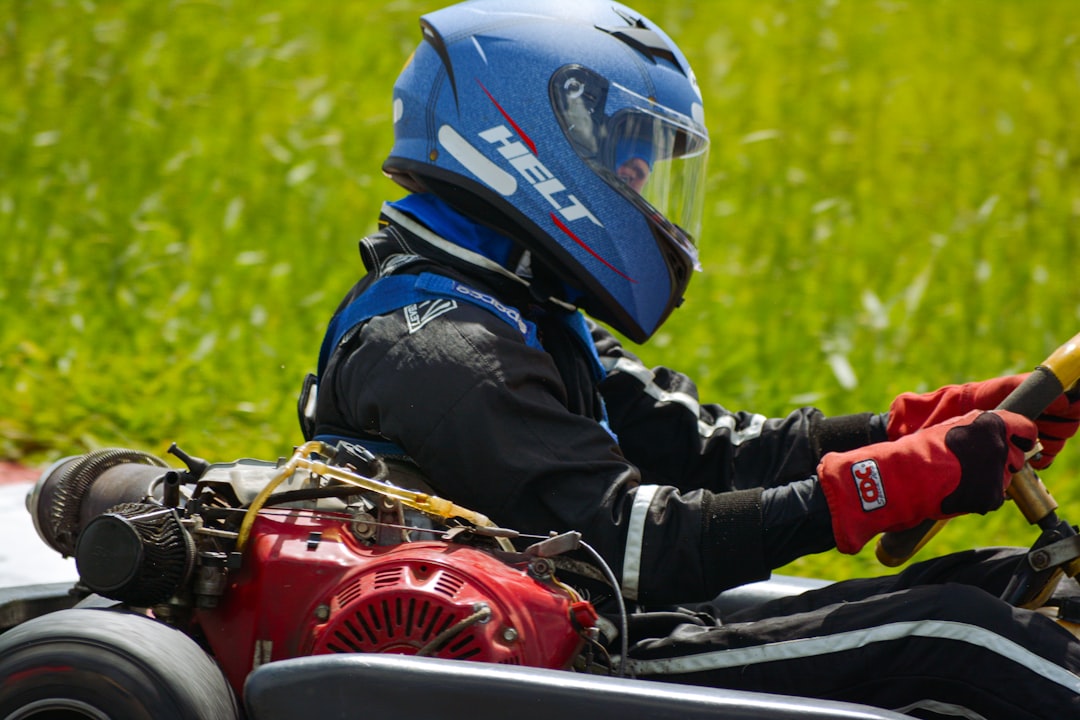
If you’re thinking about making go-karting more than a once-in-a-while hobby, amateur leagues offer a competitive step up. Here’s where costs start to climb.
- Race entry fees: $35 – $150 per race
- League registrations: $250 – $2,000 per season
- Kart transport and maintenance: $500 – $1,500 annually
- Basic safety gear (helmet, gloves, suit): $200 – $600
Racers may choose to rent a high-performance kart or buy one. Rental karts for amateur competitions may cost more but save on maintenance and storage, whereas buying means more upfront investment but total control over the machine.
4. Professional Karting
For those eyeing the big leagues and aspiring careers in motorsport, professional karting is both a stepping stone and a hefty financial commitment. Many famous drivers, including Lewis Hamilton and Sebastian Vettel, started here.
- Kart purchase: $3,000 – $10,000 (depending on model and modifications)
- Spare parts and upgrades: $500 – $5,000 per season
- Mechanic and coaching fees: $2,000 – $10,000 annually
- Travel and accommodation: $1,000 – $5,000 or more per season
At this level, costs can easily reach $20,000 – $50,000 per year or more, especially for those competing nationally or internationally. Sponsorships, family funding, and a dedicated support team often become essential.
Hidden and Optional Expenses
While main costs are centered around racing time and equipment, there are several “hidden” or lesser-known expenditures worth considering:
- Insurance: Some tracks offer optional insurance for an added $5 – $20 per visit
- Damage fees: You break it, you buy it—especially with rental karts
- Licensing: Some leagues or advanced tracks require driving tests or certifications ($50 – $100)
- Fuel: For kart owners, fueling adds up ($20 – $100/month, depending on usage)
- Customization: Paint jobs, decals, and performance tuning vary in cost
It’s easy to underestimate these costs, but they can add significantly to your overall investment in the sport.
Saving Money Without Sacrificing Fun
If you’re budget-conscious but eager to enjoy racing, here are a few ways to save money:
- Bundle packages: Tracks often offer discounts for purchasing multiple races in advance.
- Weekday discounts: Prices are generally lower midweek compared to weekends.
- Group deals: Grab some friends and book together for lower per-head pricing.
- Used equipment: Buying a second-hand kart or gear from trusted sellers can reduce startup costs dramatically.
- Local leagues: These usually have lower entry fees compared to national competitions.
With the right strategy, you can enjoy regular karting without breaking the bank.
Is It Worth the Cost?
That depends on your goals. If you’re in it for the occasional adrenaline rush, indoor karting will keep your wallet intact. If you dream of a racing career, go-karting is a vital training ground—but one that comes at a price. Consider your budget, commitment level, and passion before diving deep.
Thousands of people enjoy go-karting every month without ever entering a competitive track. Others make it their primary sport. What you spend largely depends on how far you want to take it.
Final Thoughts
Go-kart racing offers a spectrum of pricing options, from a casual $20 thrill ride to the complexities and expenses of professional motorsport. Whether you’re a first-time visitor or an aspiring racer, there’s a level that fits your interest and budget. Carefully evaluate the costs and benefits at each stage, and most importantly—don’t forget to have fun out on the track.