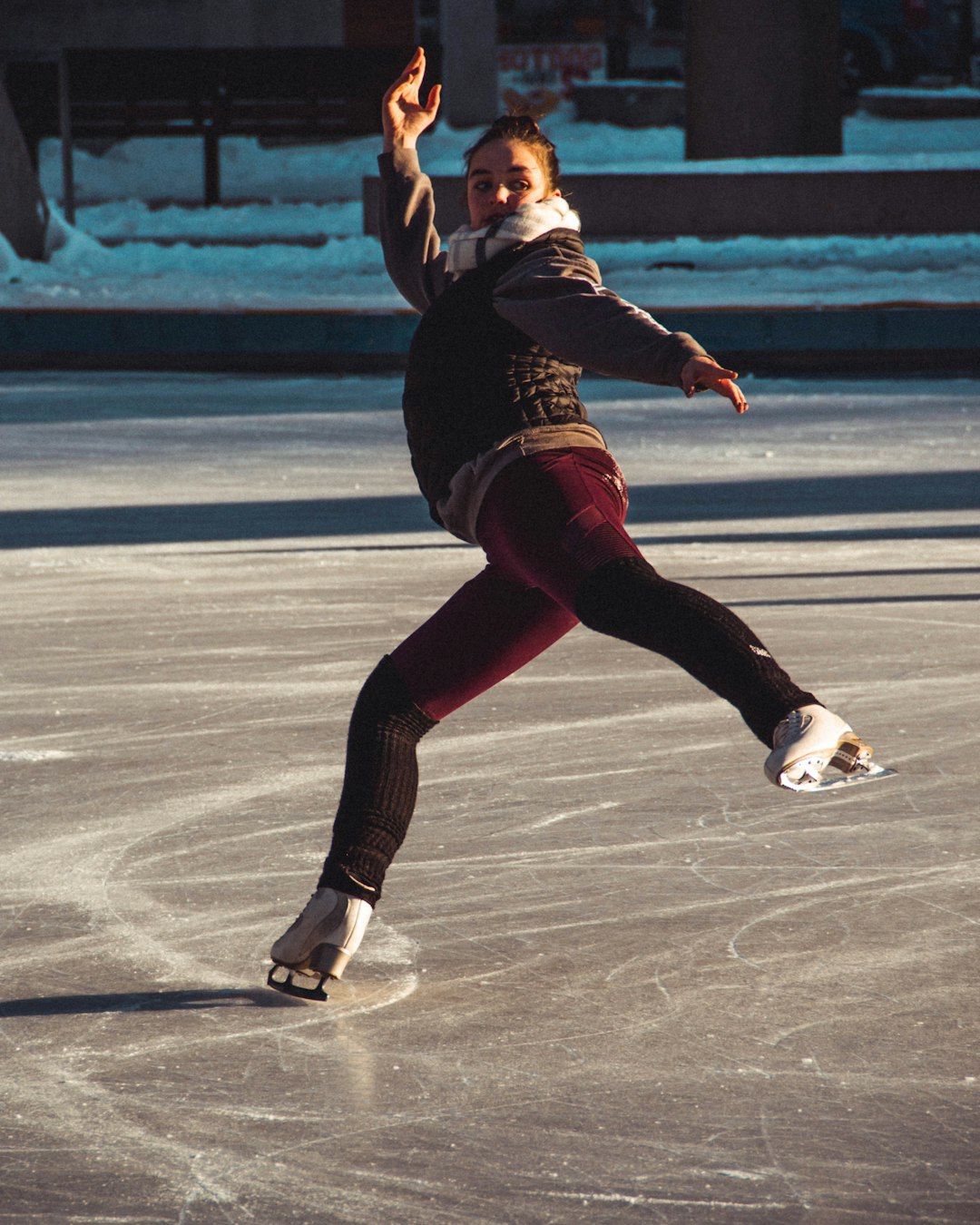
Figure skating: a graceful blend of athleticism and artistry that has captivated audiences for over a century. But many people still ask, “Is figure skating in the Olympics?” The answer is yes—and the story behind figure skating’s place in the Olympic Games is as fascinating as the sport itself.
TL;DR
Yes, figure skating is in the Olympics. It debuted in the Summer Olympics of 1908 and has been a staple of the Winter Olympics since 1924. The sport includes singles, pairs, ice dance, and a team competition. Figure skating is one of the most popular and glamorous winter sports, known for its combination of technical skill and artistic performance.
The Origins of Figure Skating in the Olympics
Figure skating holds a unique position in Olympic history, as it was one of the first winter sports to appear at the Olympic Games. In fact, before the Winter Olympics even existed, figure skating made its Olympic debut at the 1908 London Summer Games. This was decades before the inauguration of the first official Winter Games in 1924!
At the 1908 Summer Olympics, four figure skating events were contested: men’s singles, women’s singles, pairs, and men’s special figures. The sport appeared again in the 1920 Antwerp Games, after which it became a permanent fixture once the Winter Games were established.
The Birth of the Winter Olympics
When the first Winter Olympics were held in Chamonix, France in 1924, figure skating was naturally included as a core event. Its presence signaled the growing importance of winter sports in the global sporting arena. Thanks to its grace, difficulty, and widespread appeal, figure skating quickly became one of the most watched and beloved events of the Winter Games.
Figure Skating Events in the Olympics
Today, Olympic figure skating features four primary disciplines, each with its own set of challenges and highlights:
- Men’s Singles – Skaters perform elaborate routines that include jumps, spins, footwork, and interpretation of music.
- Women’s Singles – Similar to men’s singles but judged independently. Graceful presentation is especially highlighted alongside technical skill.
- Pair Skating – A male and female skater perform together. This event includes elements like throw jumps, lifts, and synchronized movements.
- Ice Dance – Unlike pair skating, ice dance emphasizes rhythm, interpretation, and footwork rather than big jumps and lifts.
Beginning with the 2014 Sochi Olympics, a team event was introduced. This event allows nations to compete using skaters from each discipline to earn cumulative points—similar to gymnastics or swimming medleys.

How Figure Skating is Judged
Olympic figure skating is judged using the ISU Judging System, which replaced the old 6.0 scoring system after the 2002 Salt Lake City judging controversy. Under the new system, skaters are awarded points for each technical element as well as their overall performance quality.
Judging is divided into two main criteria:
- Technical Elements Score (TES) – Points for jumps, spins, foot sequences, lifts, and step sequences.
- Program Components Score (PCS) – Measures elements like choreography, interpretation, skating skills, and transitions.
The combination of these two scores gives a final score for each routine. The highest cumulative score across the short program and the free skate determines the winner.
Notable Olympic Figure Skating Moments
The Olympic stage has birthed many of figure skating’s most iconic moments:
- Sonja Henie – The Norwegian prodigy won three consecutive Olympic gold medals (1928, 1932, 1936), helping to elevate the sport’s profile globally.
- Torvill and Dean – Their ice dance to “Boléro” at the 1984 Sarajevo Olympics earned full marks from nine judges, a feat unheard of under the old system.
- Tara Lipinski – At the Nagano 1998 Olympics, she became the youngest individual gold medalist in Winter Olympics history at age 15.
- Yuzuru Hanyu – The Japanese legend became the first man in 66 years to win back-to-back Olympic golds in men’s singles (2014 and 2018).
The Glamour and Pressure of Competing
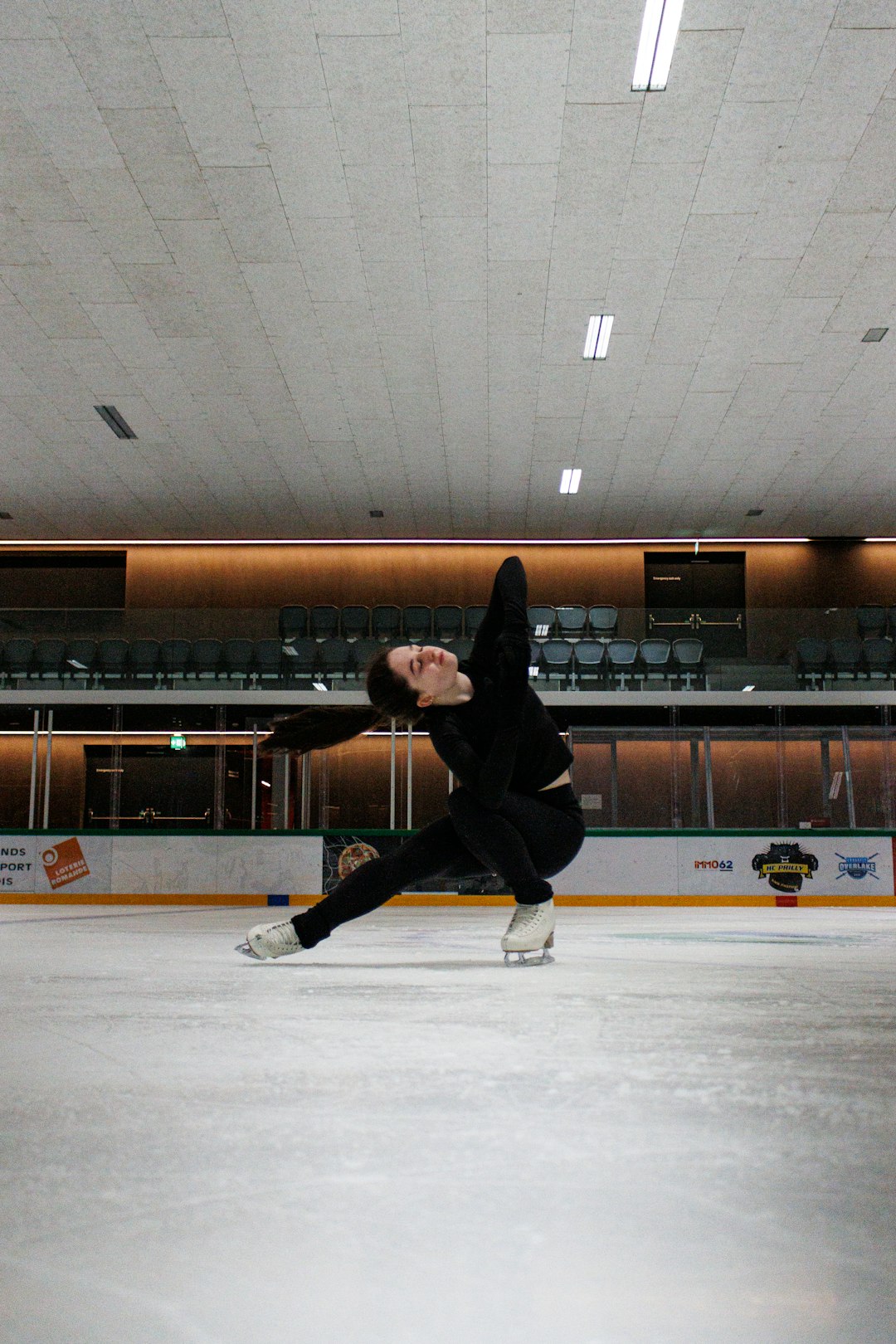
Figure skating at the Olympics is about more than just athletic prowess—it’s also deeply theatrical. Skaters often spend tens of thousands of dollars on costumes, music rights, and choreography leading up to the Games. Despite all the glitz and glamor, the pressure is immense.
The need to execute multiple technically complex elements in a short span of time, all while conveying emotion and artistry, is daunting. And because figure skating is judged and not timed like a race, controversies and debates over placements are common.
Controversies and Judging Drama
While beloved by many, the sport has had its share of controversy—most infamously during the 2002 Salt Lake City Games. A judging scandal in the pairs competition led to significant changes in how the sport is evaluated. In that case, the Russian pair was awarded gold over a Canadian team despite a visibly flawed performance. It was later revealed that a judge had been pressured into voting a certain way.
This spurred the introduction of the ISU Judging System—a more transparent and points-based method that is still used today. Still, many fans and experts debate whether artistry or technical consistency should weigh more heavily in modern judging.
Olympic Eligibility and Rules
To compete in the Olympics, skaters must meet several criteria:
- National Qualification – Skaters must qualify through their national governing body (e.g., U.S. Figure Skating, Skate Canada).
- International Qualification – Countries earn Olympic spots via the ISU World Championships or Nebelhorn Trophy.
- Age Requirements – Skaters must be at least 15 years old by July 1 preceding the Olympics.
With new talents emerging every cycle, the Olympics serve as the ultimate stage for skaters to show their capabilities and, in many cases, become household names overnight.
Why Figure Skating Remains a Fan Favorite
Figure skating enjoys immense popularity, and for good reason. It combines athleticism with elegance, drama with dedication, and spectacle with supreme skill. Each Olympic Games brings forward new stories of perseverance, heartbreak, triumph, and artistry that captivate viewers around the world.
It’s a sport where a blade-thin error can ruin a performance—but when everything goes right, it’s almost magical.
Conclusion
So to return to the original question: Yes, figure skating is very much a beloved part of the Olympic Games. From its early days at the 1908 Summer Olympics to its role as a Winter Games staple, it continues to evolve and inspire.
Whether you’re a casual fan or a dedicated enthusiast, Olympic figure skating offers something for everyone: drama, beauty, intensity, and unforgettable moments etched in ice.