Throughout human history, physical competition has been an essential part of culture, survival, and entertainment. While modern sports dominate stadiums and screens worldwide, the roots of these disciplines stretch far back into antiquity. But what were the earliest games humans played? Which sport can claim the title of being the oldest in the world?
TL;DR
The oldest sport in the world is widely believed to be wrestling, dating back to ancient civilizations and even prehistoric times. Archeological evidence from Mesopotamia and Egypt supports this, with wrestling depicted in art as early as 3000 BCE. Other ancient sports such as running, archery, and swimming also have long and distinguished histories. Though it’s hard to pinpoint a definitive “first,” wrestling has the strongest case due to its global presence and ancient heritage.
Understanding What Makes a Sport “Oldest”
When investigating the world’s oldest sport, we first need to define what qualifies a physical activity as a “sport.” Generally, a sport is considered to be a physical exertion or skill, governed by a set of rules, and often undertaken competitively. Measurable attributes—such as repetition across civilizations, documentation in early records, and symbolism in art—also help determine a sport’s longevity.
While many sports are ancient in origin, the distinction of being the “oldest” often comes down to evidence. Artifacts, cave drawings, manuscripts, and tools serve as the breadcrumbs of sporting history, allowing archaeologists and historians to trace sporting practices throughout early human society.
The Prime Contender: Wrestling
Wrestling is widely recognized as the oldest recorded sport in the world. Documented in ancient cave paintings in France dating back approximately 15,000 years, wrestling has deep roots in prehistoric and ancient civilizations. Images showcase two men grappling—posing in stances recognizable even in today’s matches, proving just how enduring the basic mechanics of the sport are across millennia.
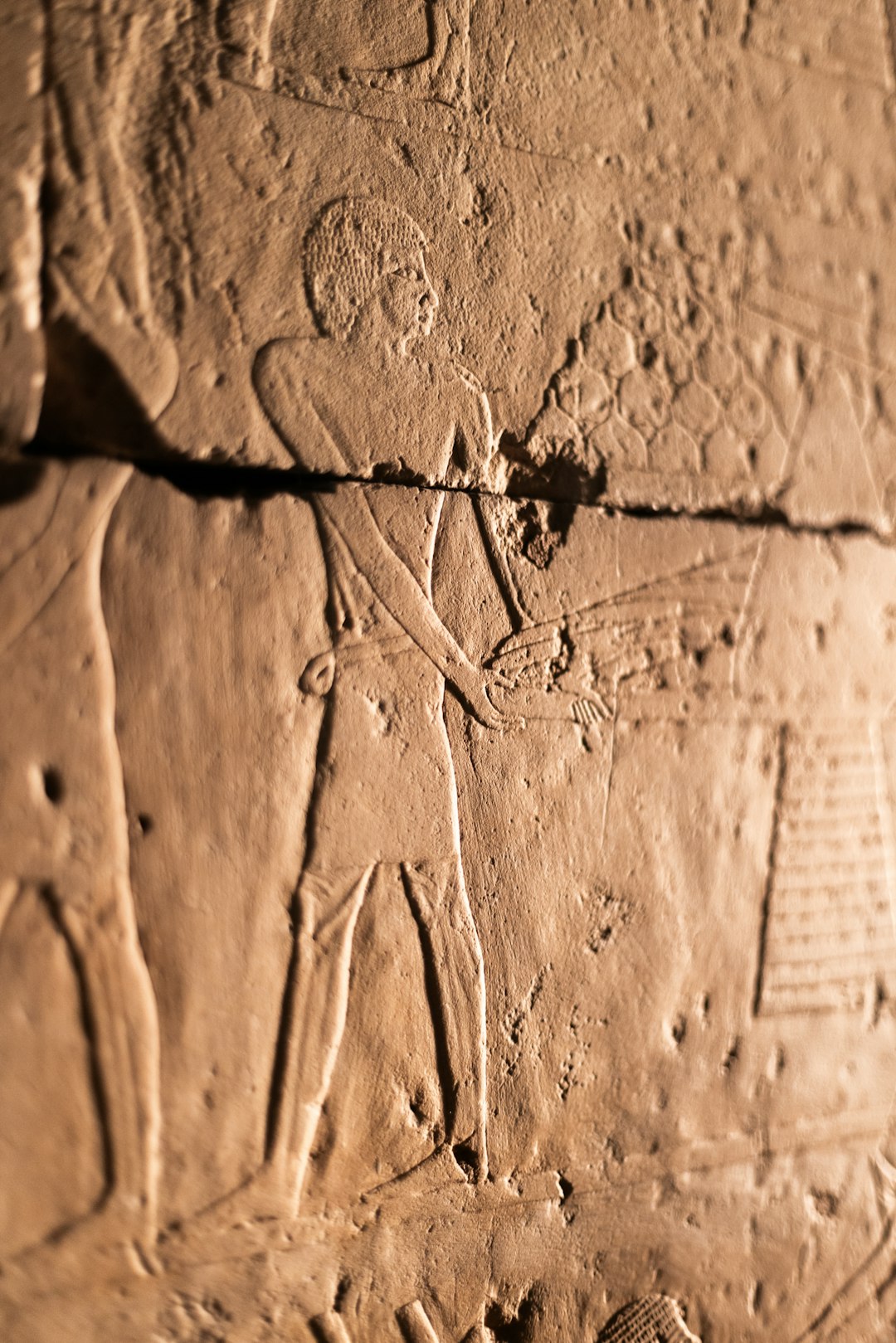
The sport prominently features in texts and artifacts from Ancient Mesopotamia, Egypt, and India. The Sumerians etched wrestling onto low-relief sculptures around 3000 BCE, while the Egyptians adorned tombs with wrestling art that emphasized technique and perhaps even early rules or strategies.
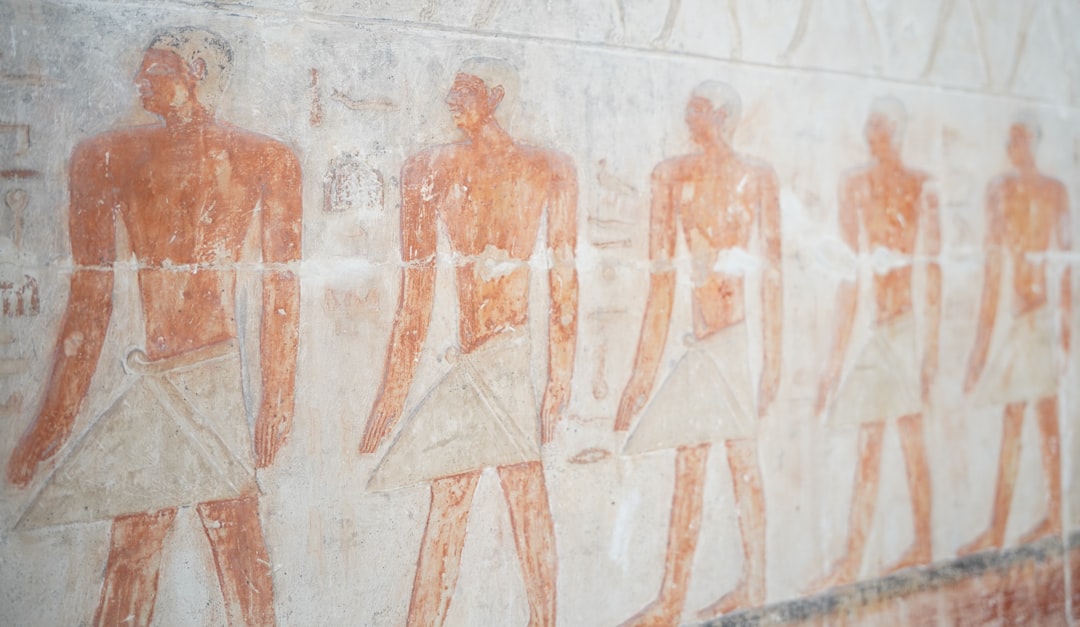
Wrestling was also deeply woven into the culture of Ancient Greece. Included in the Olympic Games from 708 BCE, Greek wrestling aimed to combine strength, strategy, and endurance. The sport carried religious and cultural significance, with matches honoring gods like Zeus at Olympia. Other nations, such as China and Turkey, also have pseudohistorical legacies of wrestling, suggesting a near-universal human affinity for grappling sports.
Other Ancient Sports Worth Noting
While wrestling reigns as the top contender, several other early sports deserve honorable mention due to their ancient origins and continued popularity.
1. Running
It is logical that the most basic human physical activity—running—would be among the earliest sports. In fact, running events were central to the first ever Olympic Games in 776 BCE, with the stadion race (approximately 192 meters) being the only event for the first 13 Olympiads. But even before that, running was part of religious festivals and military training.
2. Archery
The art of the bow and arrow parallels human survival and was essential for hunting and combat. Ancient civilizations in Egypt, China, and India turned archery into competitive displays of skill. The Mahabharata, an ancient Indian text, refers to competitive archery in both sports and storytelling contexts going back to around 400 BCE or earlier.
3. Swimming
Archaeological evidence suggests that swimming emerged as both a survival skill and a recreational activity in prehistoric times. The “Cave of Swimmers” at Wadi Sura in Egypt showcases figures that appear to be swimming, and date back over 7,000 years. The ancient Assyrians also highlighted swimming as essential military preparation for crossing rivers during conflict.
4. Boxing
Boxing is another physically intense and ritualistic sport from ancient civilizations. In Mesopotamia and Egypt, early depictions date to the 3rd millennium BCE. It became a regulated sport in Greek culture around the 7th century BCE, complete with gloves and basic rules, though it was far more brutal than the modern iteration.
5. Horse Riding and Chariot Racing
Domestication of horses opened a new avenue of competitive sport. Chariot racing became immensely popular in ancient Rome and Greece, often held in large public stadiums. Its ceremonial and entertainment function made it one of the grandest sports of the classical world.
How Do We Know These Sports Are Ancient?
Understanding the age of a sport relies on interdisciplinary research across archaeology, anthropology, and literature. Researchers study:
- Prehistoric cave art (like Lascaux, France – showing wrestlers and swimmers)
- Artifacts and tools associated with competitive or physical activities
- Ancient manuscripts and oral traditions
- Depictions in sculptures, pottery, and murals
Modern scholars also consider the cultural significance and ritualistic value of these sports. For example, wrestling wasn’t just entertainment in ancient Egypt—it was part of religious ceremonies. Archery wasn’t purely military but featured prominently in mythology and rituals as a rite of passage.
Why Wrestling Stands Out
Though many of these sports are ancient, wrestling earns the title of “oldest” due to its global presence, simple rules, and the ubiquity of evidence across civilizations. It’s a sport that requires no equipment, only two individuals and physical prowess. This minimal requirement made it accessible to all classes of society, across all continents.
Moreover, the fact that modern wrestling—be it Olympic freestyle, Greco-Roman, or traditional national styles like Turkish oil wrestling or Japanese sumo—still thrives today is a testament to its timeless appeal.
A Universal Language of Sport
Another factor that makes these ancient sports significant is their ability to communicate across time and culture. The techniques displayed in ancient art forms are still recognizable today. For example, a modern viewer familiar with judo or wrestling could easily identify a headlock position depicted in a 3,000-year-old Egyptian tomb mural.
This continuity underscores the idea that sports are not just physical contests—they are cultural expressions, reflections of societal values, and even vehicles for storytelling. In many ways, sports serve as a living heritage, passed down through generations with remarkably little change in their core elements.
Conclusion: Wrestling as Humanity’s First Sport
While the exact timeline of humanity’s engagement with sport is difficult to pinpoint, archaeological and cultural research consistently point to wrestling as our oldest known competitive endeavor. Its simplicity, ancient depictions, and worldwide presence place it at the forefront of historical sports.
As we marvel at modern athletic achievements—from Olympic sprints to UFC bouts—we are, in many ways, echoing the competitive spirit of our ancestors. To wrestle, to race, to aim true with a bow—these are not new inventions but rather an ancient and enduring testament to the human spirit.
So next time you watch a wrestling match or take your first plunge into a swimming pool, remember—you’re taking part in a tradition that may well be as old as civilization itself.