Japan is known for its deep cultural roots, technological innovations, and traditional art forms. But what often intrigues both visitors and cultural enthusiasts is the country’s strong association with certain sports. If you’ve ever wondered what the national sport of Japan is, you’re not alone. This topic offers fascinating insights into Japan’s historical, social, and athletic fabric.
TL;DR:
Japan’s official national sport is sumo wrestling, a centuries-old tradition deeply embedded in the country’s culture and spiritual heritage. Though sumo remains symbolically important, other sports like baseball and soccer have become immensely popular in modern Japan. Still, sumo holds a unique position due to its ceremonial ties, historical status, and government recognition. Understanding the role of sumo in Japanese society reveals much about the country’s values and traditions.
What Makes a Sport a “National” Sport?
Before diving into sumo, it’s important to understand what it means for a sport to be “national.” Typically, a national sport is one that:
- Reflects a country’s heritage or traditional roots.
- Is widely practiced or watched across the country.
- May be officially recognized by the government or associated with cultural identity.
In Japan, sumo wrestling ticks all these boxes. Officially recognized by the Japanese government, sumo is not only a competition but also a spiritual and cultural ritual. It’s a sport with roots dating back over a thousand years.
The History of Sumo Wrestling
Sumo wrestling dates back to at least the 8th century and perhaps even earlier. Initially practiced as a form of entertainment for Shinto deities, sumo retained its ceremonial nature even as it evolved into a competitive sport.
The early forms of sumo were more ritualistic and less regulated. It wasn’t until the Edo period (1603-1868) that sumo became more organized and codified. During this era, the sport gained a professional structure, with regional matches becoming popular throughout Japan.
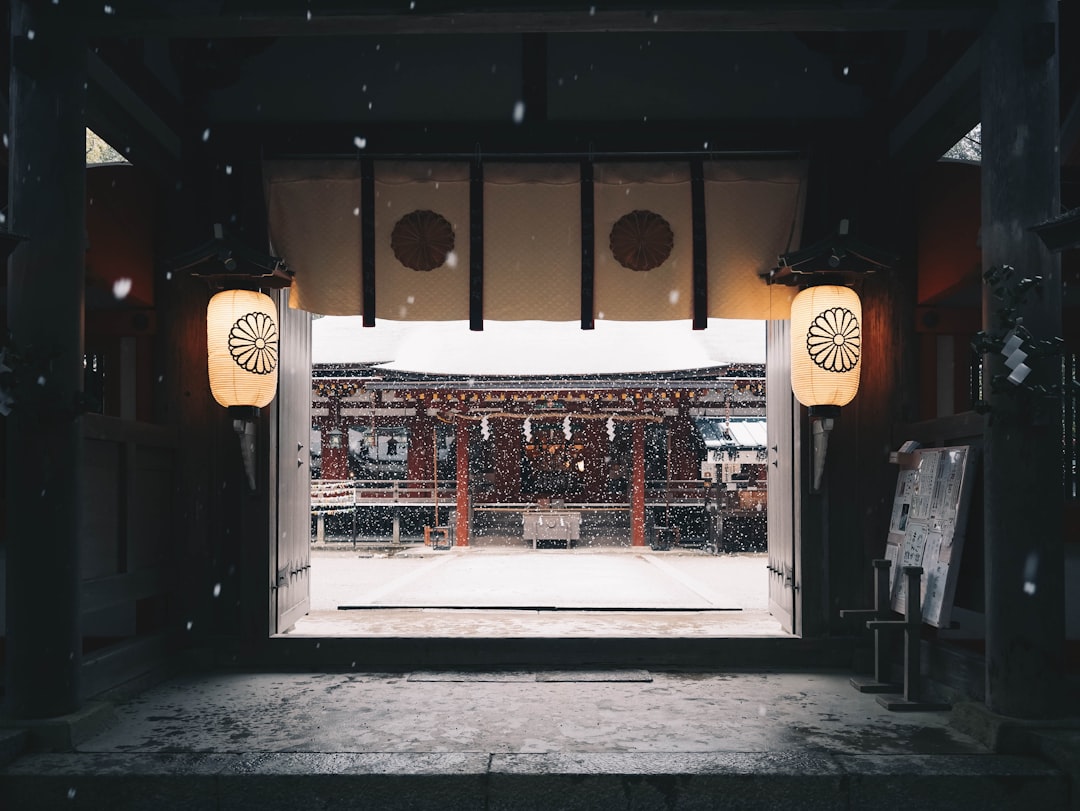
Sumo has always been tied closely to Japan’s spiritual traditions. Many of the pre-match rituals—including the throwing of salt to purify the ring, and the ceremonial stomping—are directly linked to Shinto beliefs. These ancient elements add a layer of reverence and historical significance not often found in other sports.
Rules and Structure of Sumo
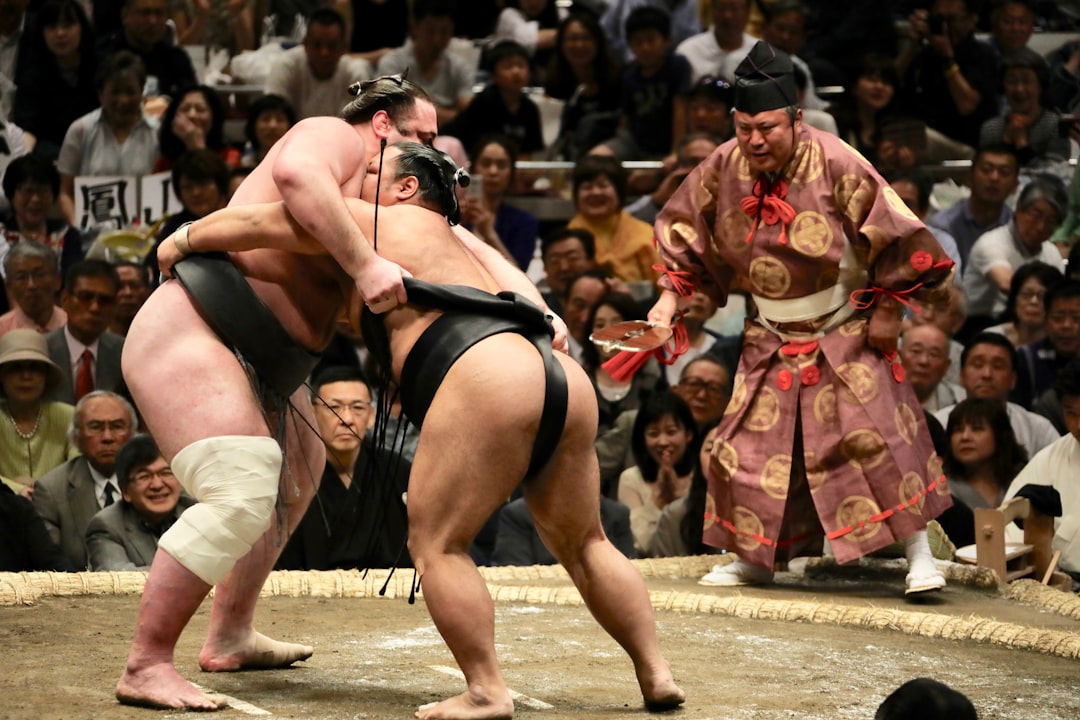
Though it may appear simple to the untrained eye, sumo is a complex and disciplined sport. Two wrestlers, or rikishi, face each other in a circular ring known as the dohyo. The primary goal is to force the opponent out of the ring or make any part of their body other than the soles of their feet touch the ground.
Here are some key elements:
- Matches often last just a few seconds, though they can be highly intense.
- There are strict divisions, or banzuke, based on a wrestler’s ranking and win-loss record.
- Top-ranked wrestlers, or yokozuna, are national celebrities and held to very high standards both in and out of the ring.
Each match is preceded by ritualistic procedures, including elaborate ring-entering ceremonies and symbolic displays of strength.
Why Sumo Is Considered Japan’s National Sport
The Japanese government officially recognizes sumo as the national sport. But it’s more than legal status that gives it this title—it’s the cultural weight it carries. Sumo reflects core values like honor, discipline, and respect for tradition—principles that are deeply interwoven with Japanese society.
It’s also seasonally and nationally prominent: professional sumo tournaments, known as honbasho, are held six times a year in major cities. These matches are widely televised and followed with fervor by fans of all ages.
In rural and urban areas alike, sumo is celebrated through school competitions, cultural festivals, and even temples that honor famous wrestlers. This widespread presence cements it as a cornerstone of Japanese identity.
Modern Challenges and Sumo’s Evolving Role
Despite its historical significance, sumo has faced its share of challenges in the modern era. Declining native participation, foreign dominance in the ring, and scandals related to hazing and misconduct have raised questions about its future.
The Japan Sumo Association has implemented several reforms to keep the sport relevant and regulated. Efforts to modernize training facilities, improve wrestler welfare, and address controversies are ongoing. These efforts demonstrate that sumo is not just a relic, but a living tradition adapting to today’s world.
Other Popular Sports in Japan
Though sumo holds the official status of Japan’s national sport, many other sports enjoy massive popularity across the country. Some have even surpassed sumo in terms of television ratings and participation levels.
1. Baseball (Yakyū)
Introduced in the late 1800s, baseball quickly took hold in Japan. Today, it’s one of the most popular sports, both in pro leagues like Nippon Professional Baseball (NPB) and at high school levels. The summer Koshien tournament garners enormous viewership and is a national event.
2. Soccer (Socceru)
Following the formation of the professional J.League in 1993, soccer has enjoyed a steady rise. Japan’s national teams, both men’s and women’s, have made impressive international showings, fueling interest and youth participation alike.
3. Martial Arts
Traditional martial arts like judo, karate, and kendo remain integral to Japanese culture. Many schools incorporate martial arts in their physical education programs, and these disciplines often hold cultural and spiritual significance similar to sumo.
4. Esports and Recreational Sports
Modern shifts have also introduced younger generations to esports and fitness-oriented trends like running and swimming. While these don’t carry the same cultural weight, their popularity further diversifies Japan’s athletic landscape.
Sumo in Daily Life and Education
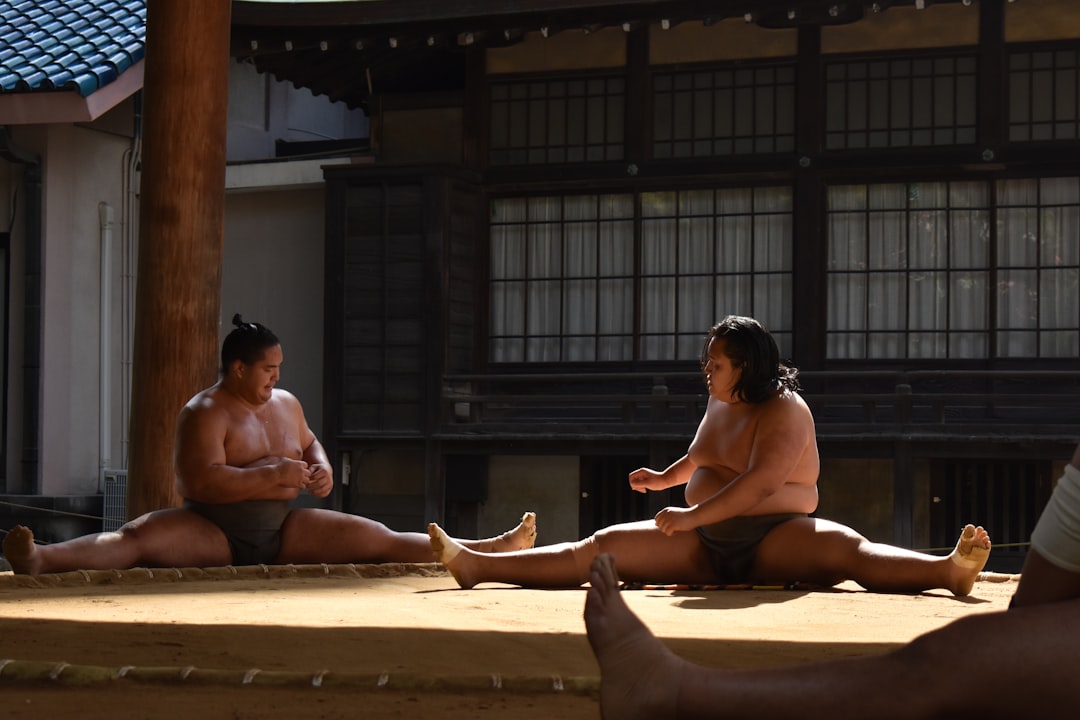
Sumo isn’t reserved just for the pros. It’s part of the Japanese lifestyle from a young age. In schools, sumo tournaments introduce children to the sport’s traditions, rules, and etiquette, emphasizing respect and discipline. Some children continue in amateur circuits, while the most talented may enter training stables known as heya.
There are even sumo-themed museums, including the Japan Sumo Museum in Tokyo, honoring icons and chronicling the sport’s evolution. Additionally, sumo-related art, literature, and media keep the tradition visible in contemporary culture.
Conclusion: A Sport Rooted in Spirit and Society
Sumo wrestling stands as more than just a physical competition—it’s a cultural pillar and a spiritual art form that has weathered centuries of social change. As Japan continues to embrace modern sports and global cultures, sumo remains a constant reminder of the nation’s unique history and heritage.
Whether you’re attending a match at Tokyo’s Ryogoku Kokugikan or watching a yokozuna perform their final bow, sumo provides a window into the soul of Japan. In the end, this isn’t just a national sport—it’s a national treasure.