Horse racing has long been associated with betting — so much so that for many, the idea of attending a race without placing a wager feels almost incomplete. But is betting truly the essence of the experience, or can horse racing be exciting and enjoyable on its own merits? Whether you’re a lifelong equestrian enthusiast or someone curious about the sport, many facets of horse racing offer thrilling experiences completely independent of gambling.
TLDR (Too Long, Didn’t Read)
Horse racing can absolutely be fun without betting. The majesty of the horses, the tension of the races, and the immersive social and cultural atmosphere contribute to an experience far beyond wagering. Enthusiasts enjoy following trainer and jockey statistics, admiring horse performance, and participating in community events related to the sport. While betting enhances the adrenaline for some, it’s not essential to enjoying horse racing.
The Core Appeal of Horse Racing
At its heart, horse racing is a showcase of athletic excellence — not only of the horses, but also the jockeys, trainers, and breeders who contribute to each performance. These races are physical competitions where strategy, conditioning, and skill come together in dramatic fashion. Here are a few intrinsic reasons why horse racing remains enjoyable even without the betting element:
- The Athletic Display: Watching powerful, well-trained animals at full gallop is breathtaking and awe-inspiring.
- Storytelling: Each horse, jockey, and trainer carries a story — comebacks, rivalries, and underdogs all add emotional depth to the race.
- Visual Excitement: The thunder of hooves, sharp turns, and final stretches deliver natural drama, regardless of money riding on the outcome.
- Social Experience: Horse racing events often come with celebrations, fashion, and communal enjoyment that go far beyond the track.
Focusing on the Horses Themselves
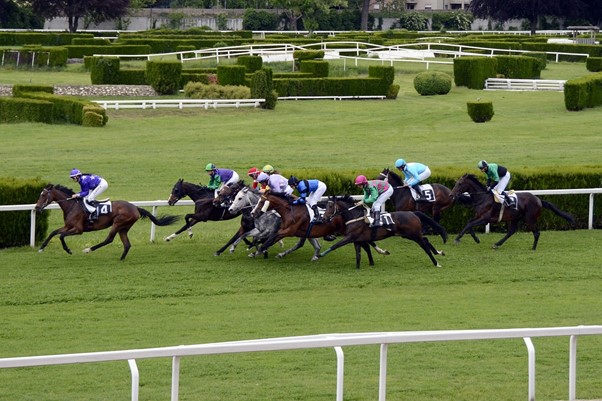
One of the deepest sources of joy in horse racing is the horses themselves. For fans of animals, horse racing offers a unique opportunity to admire their speed, beauty, and competitive spirit. Spectators often develop attachments to specific horses, tracking their progress through seasons and major events. Similar to how people enjoy football or tennis without gambling, horse enthusiasts follow races to support their favorites.
Interestingly, many racegoers and fans treat horses like celebrities. Names like Secretariat, Seabiscuit, and American Pharoah remain iconic not because of bets won, but because of the legacy and excitement tied to their achievements.
The Culture and Atmosphere
Going to the races is not just about who crosses the finish line first — it’s an event. From Kentucky Derby hats to Royal Ascot pageantry, the cultural aspects of horse racing are among its biggest draws. Many people attend races to enjoy the atmosphere, mingle with other fans, and participate in traditions that make the experience unique.
Elements that contribute to the cultural richness include:
- Fashion: High-end, seasonal, or thematic dressing adds flair to race days, especially at elite events.
- Food and Drink: Gourmet offerings, wine tastings, and celebratory drinks make the event indulgent and festive.
- Live Music and Entertainment: Many tracks include concerts, performances, and fan zones before and after races.
- Family Fun: Some racetracks cater to families with kid-friendly zones or educational tours.
Learning the Strategy and Science Behind the Sport
For those who enjoy statistics, strategies, and analytics, horse racing offers a mentally stimulating experience. Predicting race outcomes — even without placing a bet — involves understanding factors like track condition, past performance, jockey experience, and running styles. Many dedicated fans take joy in:
- Analyzing form guides and race programs
- Studying breeding lines and pedigrees
- Comparing times and track records over distances
- Observing changes in training regimens or jockey assignments
All of this intellectual engagement enhances the appreciation of races, much like a chess enthusiast enjoys analyzing a brilliant match.
Rich History and Iconic Venues
Another compelling reason to enjoy horse racing without betting is the historical and architectural significance of famous racetracks. Venues like Churchill Downs, Ascot, and Longchamp are steeped in tradition. Visiting these places can evoke the same kind of awe as standing in an old cathedral or sports stadium — it’s less about immediate payoff and more about immersion in heritage.

There is immense satisfaction in simply being part of a legacy event, walking through the paddock, viewing the stables, or taking a behind-the-scenes tour that explains the inner workings of the sport.
Media and Documentaries
Numerous documentaries, films, and books exist about horse racing, many of which barely touch on gambling. Titles like Secretariat (2010), Seabiscuit (2003), and Ken Burns’s documentary on the history of horse racing focus on narrative, emotion, and human-animal connection. Fans of storytelling and documentaries often find that these productions cultivate a natural interest in the sport that stands independently from wagering.
Family-Friendly Aspects
Contrary to certain perceptions, many racetracks are increasingly catering to all-age audiences. Family days at the racetrack include pony rides, petting zoos, face painting, and races specifically geared toward newcomers to the sport. Without the emphasis on betting, these experiences become wholesome entertainment appropriate for all generations.
Some organizations even offer educational programs for kids and families to learn about horse care, history, and the roles of veterinarians, farriers, and grooms in the racing industry. This educational lens makes the sport much more than just a vehicle for gambling revenue.
A Word on Ethics and Animal Welfare
Enjoying horse racing while abstaining from betting also fosters a more conscious and ethical relationship with the sport. Many fans appreciate the horses and support organizations striving for better treatment, safer racing conditions, and post-career animal rehoming. Focusing on the welfare side of the sport, instead of just the profit component, has created a growing community of compassionate, informed racegoers.
Ethical enjoyment of the sport may include donating to retired racehorse programs, attending charity race days, or simply advocating for humane training practices. These actions deepen fan engagement beyond the transactional nature of gambling.
In Summary: Yes, It’s Fun Without Betting
While betting continues to be a central element of horse racing for many, it is far from being the only source of enjoyment. Between the thunderous athletic displays, cultural celebration, strategic nuance, and historical grandeur, there is plenty to love about horse racing — all without spending a dollar on a wager.
Those new to the sport or those reconsidering their engagement with it can find immense value in its community, its spectacle, and, most importantly, the horses themselves. Whether cheering in the grandstands or enjoying a documentary at home, one can truly take joy in the sport with zero emphasis on risk and reward.