For those unfamiliar with cue sports, the terms “pool” and “billiards” are often used interchangeably. However, while they may seem similar to the untrained eye—with cues, balls, and tables involved—the differences between them are significant, from table dimensions to the number of balls used, to the core rules that define gameplay.
TLDR: Understanding Pool vs Billiards
Pool and billiards are both cue sports, but they follow distinctly different rules and are played on different types of tables. Pool uses six-pocket tables and multiple balls, commonly played in formats like 8-ball or 9-ball. Billiards, especially carom billiards, is played on a pocketless table and typically involves three balls. Understanding these differences helps clarify the unique skills involved in each game.
What is Pool?
Pool—often referred to as pocket billiards—is a group of cue sports played on a table with six pockets, with a variety of games falling under this umbrella. Popular versions include 8-ball, 9-ball, and straight pool. Pool is arguably the most widely played cue sport worldwide, often the one people are introduced to first.
Pool Table Characteristics
- Size: Usually comes in 7-foot (bar), 8-foot (recreational), or 9-foot (tournament) tables.
- Pockets: Six pockets—one in each corner and one at the midpoint of each long side.
- Materials: Cloth-covered slate bed with rubber cushions along the rails.

Pool Ball Composition
Pool games use object balls numbered 1 through 15, along with a white cue ball. The aim is to sink specific balls (based on the particular game being played) into the pockets using the cue ball. A rack is typically used to arrange the balls before play begins.
Common Pool Games and Rules
- 8-ball: Players aim to pocket either the solids (1-7) or stripes (9-15), followed by the black 8-ball to win.
- 9-ball: Balls must be pocketed in sequential order from 1 to 9. The game ends when the 9-ball is legally pocketed.
- Straight pool: Players can pocket balls in any order. After each successful shot, the player continues until they miss or commit a foul.
Pool emphasizes strategy, accuracy, and positioning. It is both a casual pub game and a serious professional sport governed by organizations like the World Pool-Billiard Association (WPA).
What is Billiards?
Billiards, more precisely known as carom billiards, is a distinct cue sport usually played on a table with no pockets and involves only three balls: a white cue ball, a yellow or red cue ball (used by the second player), and a third object ball (red or yellow, depending on variant).
Billiards Table Characteristics
- Size: Standard carom billiards tables are 10 feet long and 5 feet wide.
- Pockets: None—these tables are completely flat with a cushion-covered border.
- Surface: Often of very high quality cloth and heavier slate to ensure precise rebounds.
Billiards Ball Composition
In carom billiards, there are only three balls: a white and a yellow cue ball (each used by a player) and a red object ball. The goal is to strike your cue ball so that it caroms (rebounds) off both the other two balls in a single shot, scoring one point. Different variations of billiards impose different combinations of obstacles and rules, but pocketing a ball is never one of them because there are no pockets.
Common Billiards Games and Rules
- Straight rail: The cue ball must contact the other two balls without any additional requirements.
- Cushion carom: The cue ball must contact one or more cushions before hitting the second ball.
- Three-cushion billiards: The cue ball must touch at least three cushions before making contact with the second object ball.
These games rely greatly on geometric precision, fine touch, and control. Billiards is played competitively at high levels, particularly in Europe and Asia, and governed by bodies like the Union Mondiale de Billard (UMB).
Key Differences Between Pool and Billiards
While both sports may appear similar at first glance, there are several fundamental differences that separate them.
1. Table Design
- Pool: Six-pocket tables of varying sizes (commonly 7, 8, or 9 feet).
- Billiards: Pocketless tables, usually larger (10 feet).
2. Number and Type of Balls
- Pool: 16 balls—15 object balls + 1 cue ball. Balls are numbered and often color-coded.
- Billiards: Only 3 balls. Each cue ball is differently colored to distinguish between players.
3. Objective of the Game
- Pool: Pocket specific sequence or set of balls based on game variant to win.
- Billiards: Score points by making the cue ball carom off the other two balls (and sometimes cushions).
4. Playing Difficulty
Each sport presents its own set of challenges. Pool often involves complex positional play, banking shots, and angle-based pocketing strategies. On the other hand, billiards, especially in versions like three-cushion carom, demands deeper understanding of ball trajectories and rebound angles due to the absence of pockets.
Cultural and Competitive Differences
Pool enjoys considerable global popularity, particularly in the United States, the Philippines, and the UK. It’s a staple in nightclubs, bars, and family game rooms. Professional tournaments have large viewerships and sponsorships.
Billiards, while less common in casual settings, commands deep respect in competitive circles, especially in countries like Korea, France, and Turkey. The game is revered for its sophistication and the tactical finesse it requires.
Snooker: Not the Same as Pool or Billiards
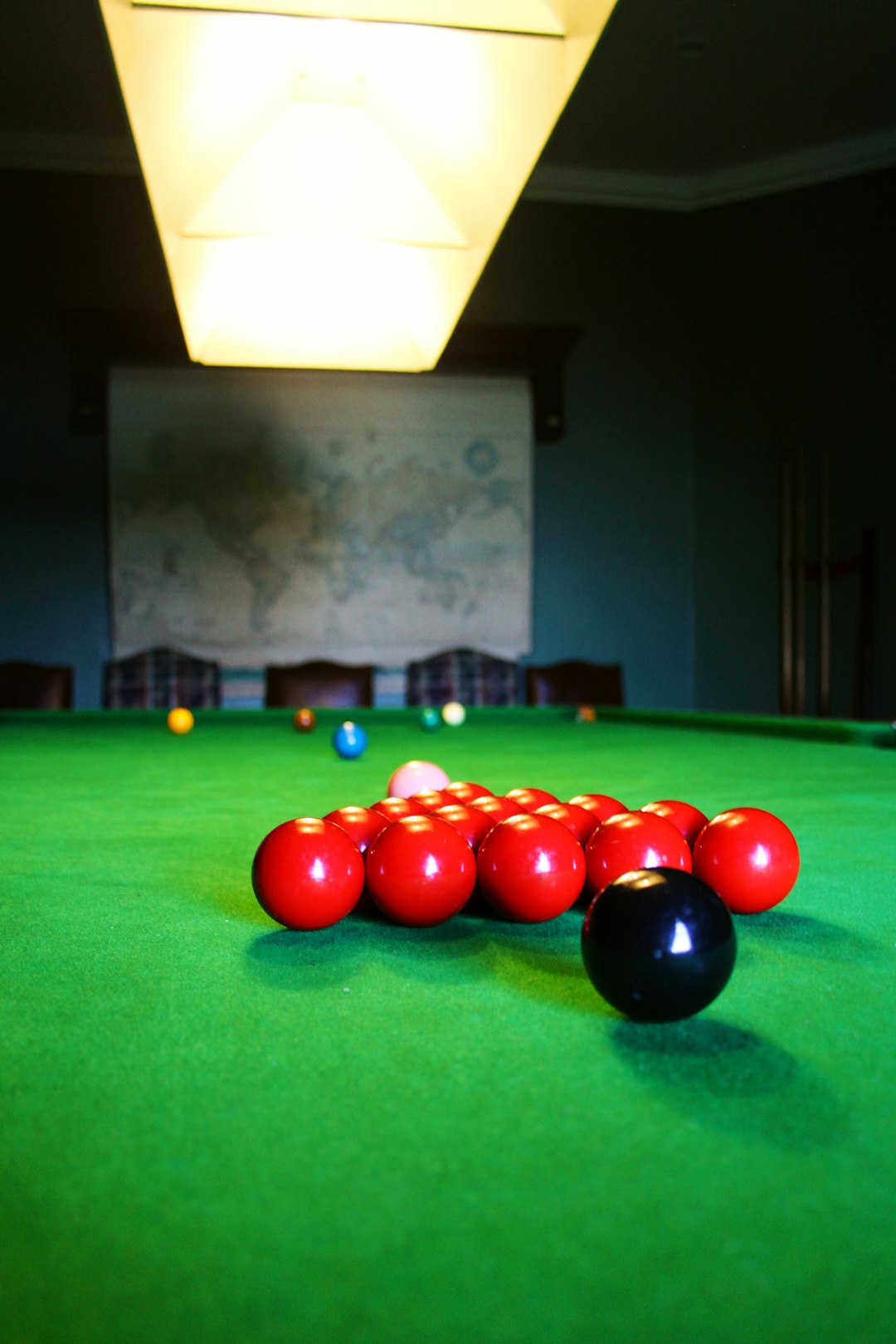
To add a layer of clarity, it’s worth mentioning snooker, another cue sport often lumped into this conversation. Snooker is played on a much larger table than even billiards and uses 21 colored balls. Its complex scoring system and high skill floor make it a different experience altogether. The rules and equipment differ significantly from both pool and billiards. Therefore, it stands on its own as a separate discipline.
Conclusion
The terms “pool” and “billiards” may seem interchangeable to the untrained eye, but they define very different games with their own unique styles, rules, and equipment. If your interest lies in tactical pocketing and diverse formats, pool might be your calling. If you’re drawn to mathematical precision and carom mastery, billiards offers profound challenges.
Next time you’re at a bar or a cue sports club, you’ll now be able to tell whether you’re playing pool or billiards, not just based on the presence of pockets, but with a deeper appreciation for the incredible skill each game commands.