Snooker fans and cue sports enthusiasts often wonder about the precise dimensions of a regulation snooker table—a symbol of tradition, craftsmanship, and refined sporting competition. Whether you’re considering purchasing one or just curious about its imposing presence in professional tournaments, understanding the physical size of a regulation snooker table can offer valuable insights into the game itself, as well as the spatial requirements and technical nuances involved.
The Official Size of a Regulation Snooker Table
According to the World Professional Billiards and Snooker Association (WPBSA), the standard tournament snooker table has the following dimensions:
- Playing surface: 11 feet 8.5 inches x 5 feet 10 inches (356.9 cm x 177.8 cm)
- Full outer dimensions (including cushion rails): 12 feet x 6 feet (365.76 cm x 182.88 cm)
These measurements are carefully regulated to ensure consistency across all professional matches. The surface is covered with a high-quality, directional, green baize cloth that affects the ball’s roll, while the table itself stands on adjustable legs for precise leveling.
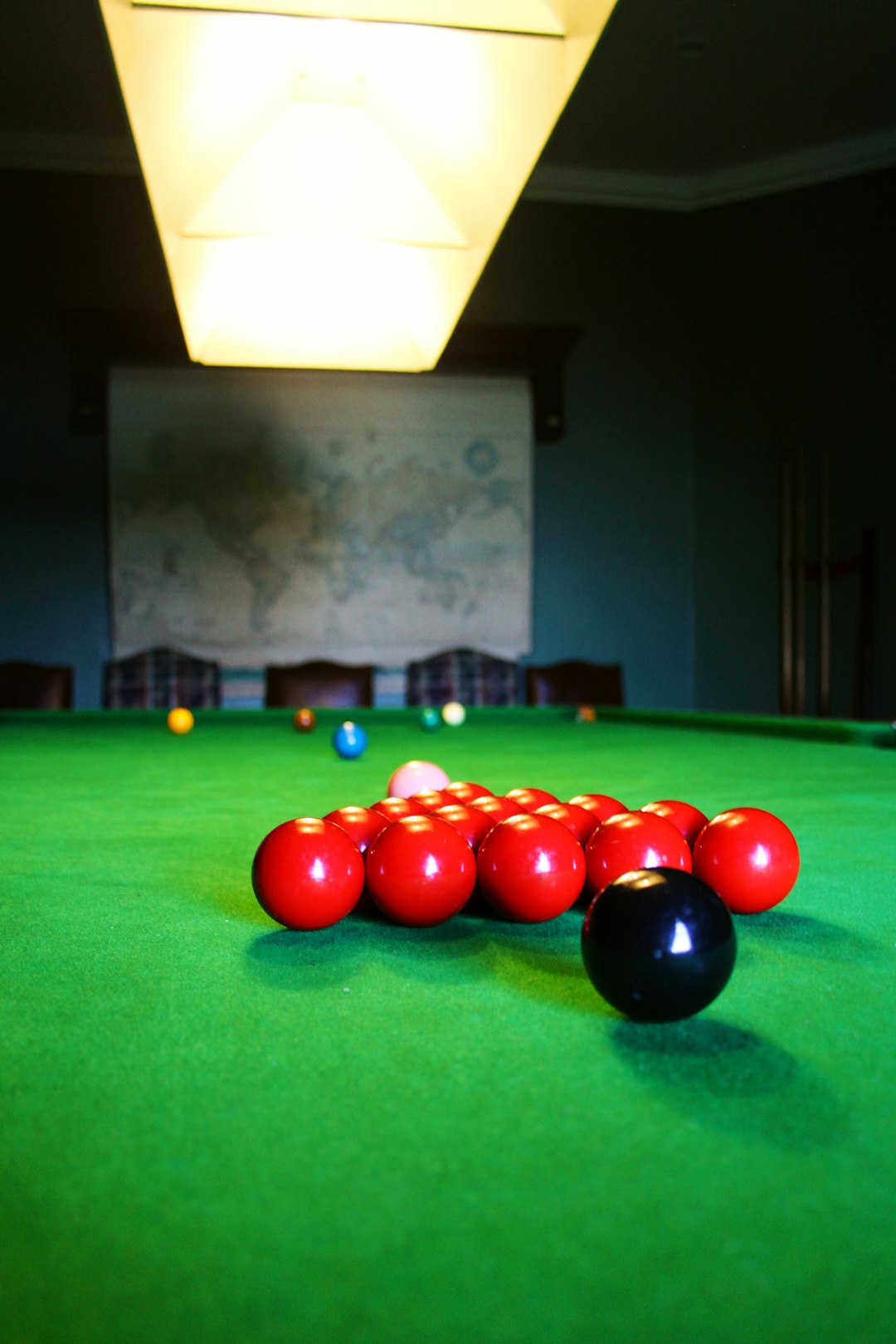
Height and Structural Features
Another important dimension often overlooked is the table’s height. Regulation tables are typically:
- Height from the floor to the top of the cushion rail: 34 inches (86 cm), with a possible variance of ±1 inch (2.5 cm)
This height ensures seamless play and allows professional players to adopt their ideal stances and cue actions. The table is supported by a heavy hardwood frame and slate bed—typically in five pieces—that provides an even, stable, and level playing surface.
Why Snooker Tables Are So Large
The large table design is one of the reasons snooker is heralded as one of the most precision-dependent cue sports in the world. With a playing surface almost four times the size of a standard American 8-foot pool table, snooker demands more calculated striking, precise cue ball control, and spatial awareness.
The larger table means:
- Longer potting distances for balls
- More complex safety play
- Greater emphasis on planning and positional play
Hence, mastering snooker requires more than just pocketing skills—it entails an entire strategic outlook enhanced by the generous table size.
Space Requirements for a Regulation Snooker Table
Purchasing or installing a full-size snooker table isn’t just about the table itself; the room dimensions are equally critical. To allow players to cue comfortably from all angles, without being obstructed by walls or furniture, the recommended room size is:
- Minimum room size: 22 feet x 16 feet (6.7 m x 4.9 m)
- Ideal room size with longer cues (57-60 inch cues): 24 feet x 18 feet (7.3 m x 5.5 m)
This space ensures players can strike balls along the rails, execute delicate plays, and walk around the table with ease, making the game flow naturally.
Variations: Smaller Snooker Tables
Because of the sheer size and cost of regulation tables, many homes and recreational venues opt for half-size or three-quarter-size snooker tables. Common non-regulation sizes include:
- 10-foot tables: Typically 10 feet x 5 feet
- 9-foot tables: 9 feet x 4.5 feet
- 6-foot tables: Ideal for beginners and children
These smaller versions offer a more accessible snooker experience and still preserve some of the tactical depth of the game. However, they lack the full challenge that professional players face on the 12-foot tables.
Design and Material Components
Regulation snooker tables are built with premium materials to ensure accuracy, durability, and a professional feel. Key components include:
- Slate bed: Typically around 45 mm thick; offers a level surface resistant to warping
- Solid wood frame: Made from hardwoods like mahogany or oak
- Rubber cushions: Engineered for optimal ball rebound and consistency
- Baize cloth: Uniform nap affects ball rolling speed and spin
The precision of these components translates directly into the accuracy and feel of play, making build quality a major factor in competitive snooker performance.
Portability and Assembly
Due to their weight—often exceeding half a ton—a regulation snooker table is not something that can be easily moved. It often takes professional installers to deliver and assemble the table. The slate bed comes in multiple pieces and must be precisely leveled on-site. Moving it generally involves disassembly and reassembly, adding costs and logistical complexity.
Conclusion
A regulation snooker table is, by all measures, a grand and carefully engineered piece of sports equipment. At 12 feet by 6 feet, and requiring a large, open space to play properly, it sets a high bar both in terms of skill and infrastructure. For players serious about the sport, understanding these dimensions underscores the commitment required to practice and compete on professional terms. From material quality to room size, everything about a regulation snooker table is crafted to support the precision elegance of snooker.
FAQs
- Q: How much does a regulation snooker table weigh?
A: A full-size snooker table can weigh anywhere from 1,000 to 1,500 pounds (450 to 680 kg), primarily due to its thick slate bed. - Q: Can I fit a regulation snooker table in a home game room?
A: Only if your room measures at least 22 feet x 16 feet, preferably 24 feet x 18 feet. Smaller rooms may require smaller tables or shorter cues. - Q: What is the difference between a snooker table and a pool table?
A: Snooker tables are larger, have smaller pockets, and use smaller balls. Pool tables vary in size (typically 7-9 feet) and have wider pockets and heavier balls. - Q: Why is the snooker table so much bigger than other cue sports tables?
A: The larger size increases difficulty, requiring more skill in shot selection, cue control, and positional play, enhancing the strategic depth of the game. - Q: Are smaller-sized snooker tables still good for learning?
A: Yes, they are perfect for beginners, children, or casual players who want to grasp the basics without needing a large space or budget.